The Role of Men’s Fashion Neckties in Cultural and Traditional Attires
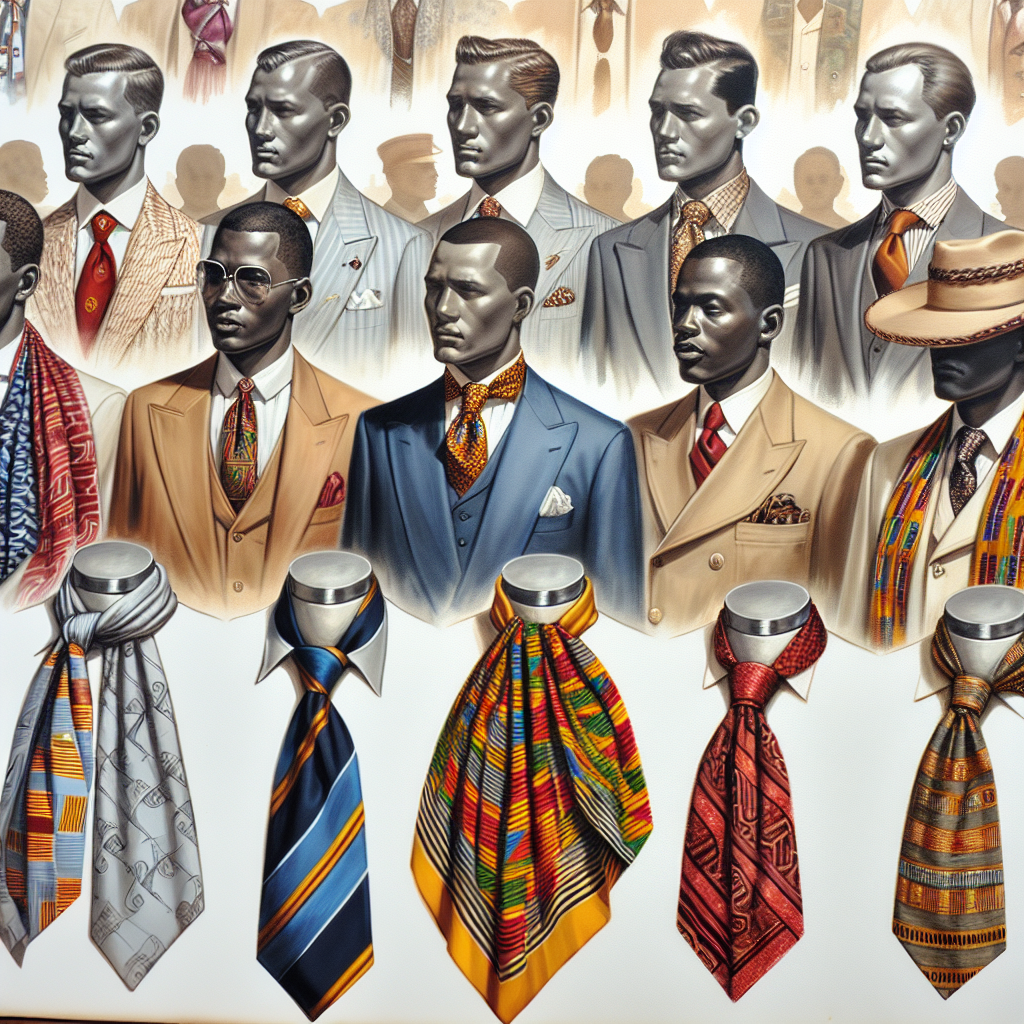
Neckties have long been a staple in men’s fashion, transcending cultural and geographical boundaries. They are not only seen as a symbol of professionalism and formality in the corporate world but also play a significant role in various cultural and traditional attires. This article aims to shed light on the integral role that neckties play within different cultures and traditions across the globe.
In Western societies, the necktie is predominantly associated with business attire, formal events, and special occasions. It’s a symbol of elegance, sophistication, and professionalism. The tradition of wearing neckties dates back to the 17th century during the Thirty Years’ War when Croatian mercenaries wore small knotted neckerchiefs as part of their uniform. This sparked interest among the French who adopted this accessory into their fashion culture, eventually evolving into what we recognize today as the modern necktie.
Beyond Western societies, neckties also hold significant cultural value in other regions of the world. For instance, in China, red is considered an auspicious color symbolizing good fortune and joy. During festive occasions or weddings, Chinese men often wear red ties to bring good luck.
In South Korea, traditional attire known as ‘Hanbok’ sometimes includes a unique form of necktie called ‘Norigae.’ Although it is more commonly worn by women, men also use it to add aesthetic appeal to their attire during special occasions such as weddings or cultural festivals.
In African cultures like Nigeria and Ghana, colorful Kente cloth ties are often worn during traditional ceremonies or celebrations. These ties are not just fashion accessories; they carry symbolic meanings related to African history and heritage.
In India too, though not part of their traditional attire per se, neckties have found their place in modern Indian weddings where groomsmen often sport matching ties complementing the wedding theme colors.
Within Indigenous cultures like Native Americans’, bolo ties are popularly worn which consist of braided leather cords with decorative metal tips, fastened with an ornamental clasp. The bolo tie was even named the official neckwear of Arizona in 1971, highlighting its cultural significance.
In essence, while neckties may seem like a simple accessory in men’s fashion, they carry a much deeper meaning within different cultures and traditions worldwide. They are not just about making a fashion statement; they are about expressing identity, embracing heritage, and respecting cultural norms.
Whether it’s the corporate boardroom or a traditional ceremony, the necktie stands as a powerful symbol that transcends beyond mere aesthetics. It is an embodiment of history, culture, tradition and personal style that continues to hold its relevance in men’s fashion across the globe.
Related Post

How to Tie a Bow Tie | Men's Fashion
How to Tie a Bow Tie | Men’s Fashion Mastering the art of tying a [...]

Trying on Different Red Ties [MEN'S STYLING] #Shorts
Trying on Different Red Ties: Men’s Styling Tips When it comes to men’s fashion, few [...]

Ties, what to wear, and how to wear them
**Ties: What to Wear and How to Wear Them** A necktie is more than just [...]