The History and Evolution of Men’s Neckties
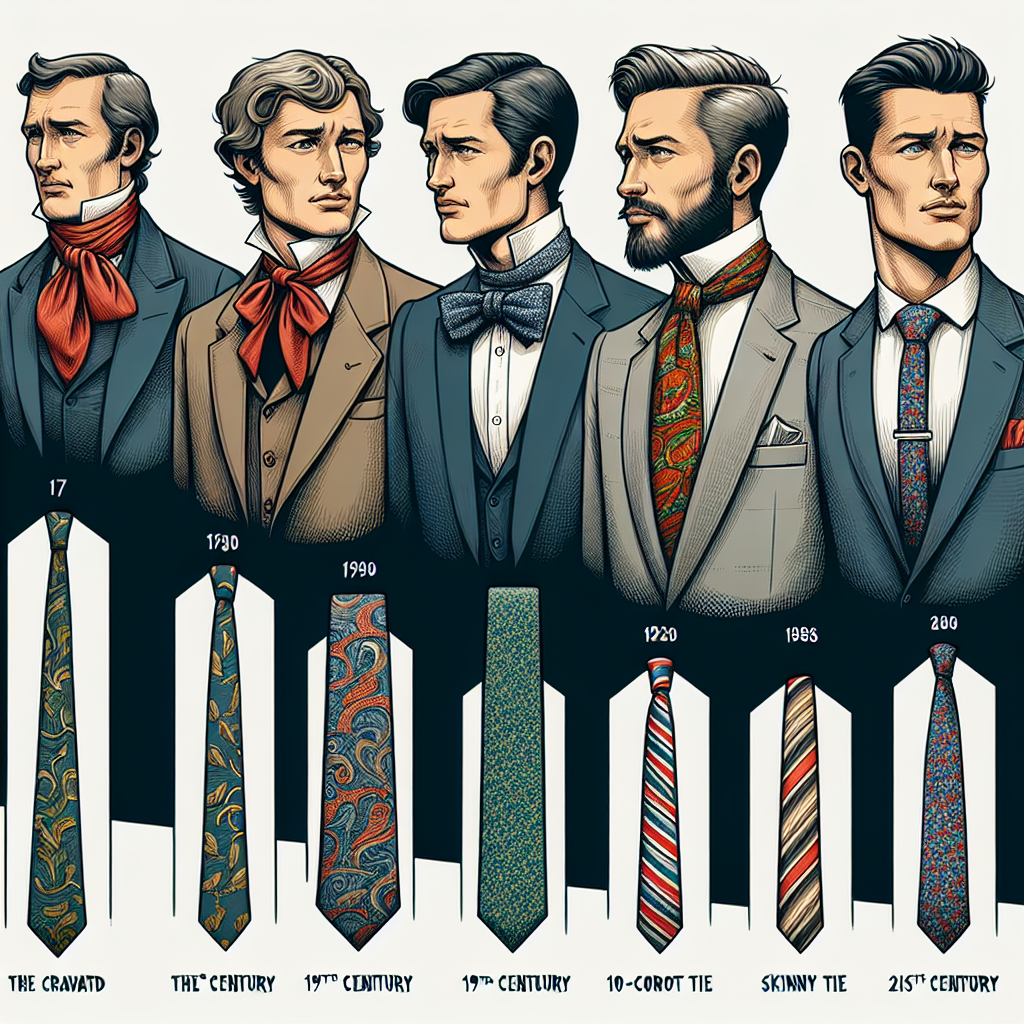
The history of men’s neckties dates back to the 17th century during the Thirty Years’ War in France. King Louis XIII hired Croatian mercenaries who wore a piece of cloth around their neck as part of their uniform. The king was so fascinated by this piece of cloth that he made these ties a mandatory accessory for royal gatherings, and to honor the Croatian soldiers, he named this piece of clothing “La Cravate” — the French term for “tie.”
From there, the necktie began its journey across Europe. In Britain, it became popular during the industrial revolution when men needed something to keep their shirts closed while working. The tie served both a practical and decorative purpose.
However, it wasn’t until the 1920s that ties as we know them today began to take shape. Jesse Langsdorf, an American tailor, patented a new way of cutting fabric on a bias and then sewing it in three segments. This design allowed the tie to fall straight down without twisting and gave birth to the modern necktie.
The next significant evolution came in the 1940s with the introduction of bold geometric designs and bright colors following World War II’s austerity. This period also saw an increase in casual wear, leading to a decrease in tie-wearing among certain groups.
In the 1950s and 60s, ties became slimmer and more understated, reflecting fashion trends towards minimalism. The “skinny” tie became popular during this time thanks to pop culture influences such as The Beatles.
The 1970s saw a return to wider ties with bold patterns inspired by psychedelic culture. However, by the 1980s and into early 90s, ties had again become more conservative in design with muted colors and smaller patterns becoming fashionable.
In recent years, there has been a resurgence in tie-wearing due largely to popular television shows like “Mad Men,” which glamorize the sharp-dressed, tie-wearing businessman. Today, ties come in a wide variety of styles, colors, and patterns to suit any occasion.
Neckties have also evolved in terms of the materials used. Originally made from silk, today’s ties are made from a range of materials including cotton, wool, and synthetic blends.
Despite changes in fashion trends and societal norms over the centuries, the necktie has remained a staple of men’s formal wear. Its evolution reflects changing tastes and cultural shifts, yet its core function as a symbol of professionalism and elegance remains unchanged.
Today’s neckties are not just about adhering to dress codes or traditions. They’re about expressing personality and style. Whether it’s a classic black tie for a formal event or a quirky patterned tie for everyday wear, there’s no denying that this simple piece of cloth has come a long way since its inception as part of a military uniform.
In conclusion, the history and evolution of men’s neckties is steeped in culture and tradition. From its origins in 17th century France to modern day fashion statements around the globe, it continues to be an essential accessory in men’s wardrobes.
Related Post
How to Properly Care for and Maintain Your Men’s Neckties
Neckties are an essential part of a man’s wardrobe. They can be a statement piece, [...]

How to use the Pre-tied Zipper Necktie?
How to Use the Pre-tied Zipper necktie In the world of men’s fashion, neckties are [...]
Men’s Fashion: How to Pair Neckties with Different Outfits
The art of pairing neckties with different outfits is a crucial aspect of men’s fashion. [...]