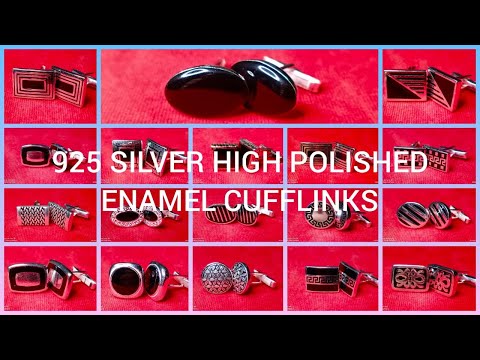
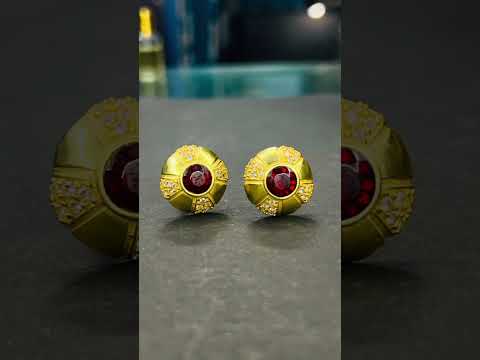
Cufflinks might just be the pinnacle of classic men’s accessories. Small, yet significantly impactful, they are the sophisticated touch that completes a man’s formal attire. Beyond their functional role of securing shirt cuffs, they also serve as a subtle indicator of personal style and elegance.
**History and Evolution**
Cufflinks appeared in the early 17th century but gained widespread popularity in the 18th century as an alternative to more traditional shirt fasteners like ribbons and ties. Originally, cufflinks were luxury items made from precious metals and stones, bespoke symbols of wealth and status. As fashion became democratized over time, cufflinks evolved into more accessible versions, made from an array of materials to fit every social class and occasion.
**Types of Cufflinks**
– **Bullet Back Cufflinks:** These are perhaps the most common type due to their ease of use. They feature a small cylinder that is set between two short bars, flipped 90 degrees to secure.
– **Whale Back Cufflinks:** Featuring a flat face with a whale tail-like closure that flips flat against the post, they are simple to use and extremely reliable.
– **Stud or Button Style Cufflinks:** These have no hinge mechanism; instead, they have a large head with a straight post and a fixed backing. They’re notably smaller and thus less conspicuous than other types.
– **Chain Link Cufflinks:** Offering a more vintage appeal, these cufflinks have two heads connected by a short chain which offers more movement than other types.
– **Ball Return Cufflinks:** These are characterized by their comfortable fit thanks to the ball-shaped back that effortlessly slips through the cuff holes.
**Materials Used**
The range of materials used for making cufflinks is vast:
– **Precious Metals:** Gold, silver, and platinum remain popular for formal events where splendor is key.
– **Semi-Precious Metals:** Materials like sterling silver provide affordability while still maintaining elegance.
– **Enamel:** Offers unlimited color options for matching with different shirts or ties.
– **Gemstones & Crystals:** Diamonds, sapphires or crystals can be embedded for those who prefer an element of bling.
– **Leather or Fabric Inlays:** Used often in casual styles giving off an understated yet polished look.
**How and When to Wear Them**
The golden rule for wearing cufflinks is occasion-appropriate choice:
1. **Formal Events (Black Tie/White Tie):** Opt for high-quality metals such as gold or silver with possible gemstone accents.
2. **Business Settings:** Keep it professional with subtler options like silver or enamel cufflinks that coordinate well with your suit without drawing too much attention.
3. **Casual Occasions:** Experiment with fun motifs in fabric or leather finishes which offer personality without sacrificing smartness.
**Pairing Cufflinks with Outfits**
Coordinating cufflinks with your outfit necessitates matching them not only with your shirt but also considering other accessories like watches, belts or tie clips:
– Match metals across different pieces for consistency in appearance;
– For monochrome outfits use colorful or textured links;
– Patterned shirts generally pair well with simpler designs while plain shirts allow you to wear ornate styles.
**Care and Maintenance**
To keep your cufflinks gleaming:
1. Regularly polish metal types especially precious ones using a soft cloth;
2. Avoid water exposure especially if materials like leather are involved;
3. Store them safely ideally in a padded box to prevent scratching against other jewelry pieces.
Cufflinks are not just another accessory; they are an expression of detail-oriented care in dressing up showing off meticulousness taste level sophistication style which has kept them relevant through centuries their evolution reflects changes societal norms fashion preferences but their essence has remarkably stayed same — adding finishing touch menswear ensemble making statement about wearer’s appreciation finer aspects life wardrobe alike