The necktie, a seemingly simple piece of fabric, has evolved over centuries into a symbolic accessory in men’s fashion. It carries an array of meanings and interpretations across different cultures and societies worldwide. Understanding the symbolism behind men’s neckties can provide insight into the wearer’s social status, profession, or personal style.
In Western cultures, particularly in North America and Europe, the necktie is often associated with formality and professionalism. The tie’s color, pattern, and knot-style can convey various messages about the wearer’s personality and status. For instance, darker colors such as black or navy blue are usually worn in formal settings or business environments. They symbolize power, authority, and sophistication. On the other hand, brighter colors like red or yellow are often associated with creativity and individuality.
The patterns on ties also hold significance in Western culture. Striped ties typically indicate affiliation to certain clubs or institutions – a tradition that originated from British schools where each school had its unique tie design. Polka dots are considered playful and creative while solid colors suggest seriousness and dependability.
In Asia, particularly China and Japan, ties carry distinct cultural symbolism. Red is a popular color for ties as it symbolizes good luck and prosperity in Chinese culture. Similarly, in Japan, wearing a red tie can signify celebration or happiness.
In Middle Eastern cultures where traditional attire is more common than Western-style suits and ties, wearing a necktie can signify Western influence or modernity. However, it’s important to note that this may vary significantly across different countries within the region.
The way a tie is knotted also holds symbolic value across cultures. In Western societies especially Britain and America there are several popular knots each carrying its own connotations: The Windsor knot suggests formality; the Four-in-Hand knot indicates casualness; while the Pratt knot is seen as balanced between formal and casual.
It’s also worth noting that throughout history in some cultures, neckties have been used as symbols of rebellion. In the 1960s and 1970s, for instance, rejecting the necktie was a way of protesting against societal norms and conventions.
In recent years, we’ve seen a shift in the cultural symbolism of ties as workplaces become more casual. While they still hold their place in formal settings, ties are no longer a daily requirement in many professions. This shift has allowed for greater experimentation with tie styles and patterns, further expanding their symbolic potential.
In conclusion, while to an onlooker a necktie might seem like just another fashion accessory, its color, pattern, knot style and even its presence or absence can carry significant cultural symbolism. Understanding these nuances can provide valuable insights into different cultures and societies across the globe.
Related Posts


3 Tie Buying Tips | How To Buy A Quality Necktie | Details To Look For When Purchasing A Necktie
**3 Tie Buying Tips: How To Buy A Quality Necktie…
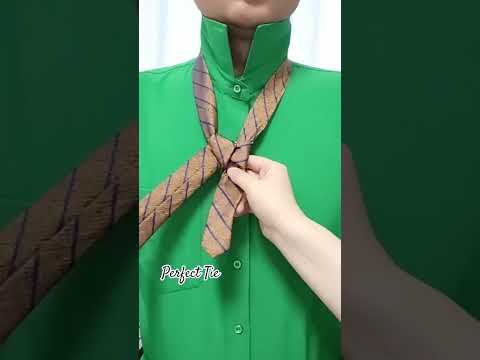
Perfect Tie for Every Man | Style That Speaks Success #tie #tietheknot #style #mens
Perfect Tie for Every Man | Style That Speaks Success…